Community energy: A practical guide to reclaiming power
The Life of Your Group
Group dynamics
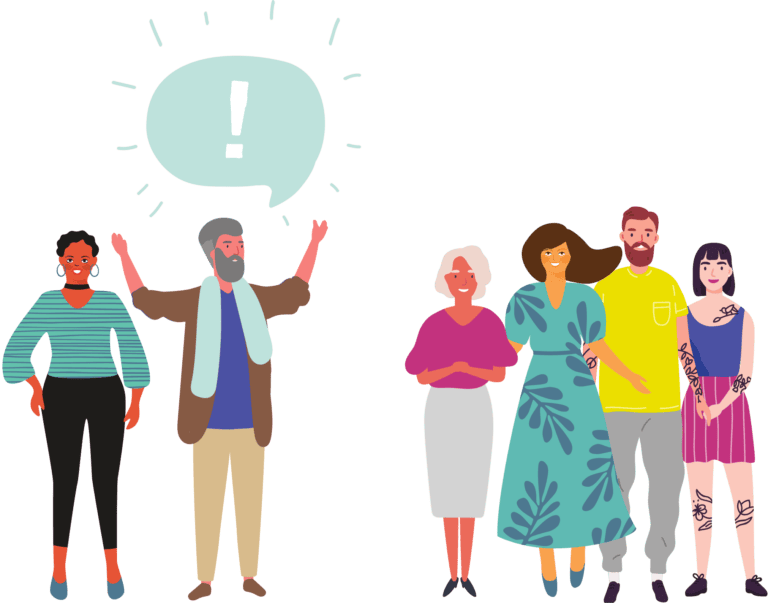
In almost all groups that are trying to change things, some difficult dynamics can emerge. It is likely that at some point there will be disagreements and even conflict. Don’t let this discourage you, it is part of the life of the group and there are many tools and tricks for getting around these problems. Be prepared for it to happen, and be ready to deal with these situations with patience and understanding.
Bridging differences
Be flexible with how you approach group work so that everyone can participate fully. For example, be prepared for people arriving with different expectations about behaviour in meetings: how formal they should be, how long should people speak, how acceptable it is to show when you are angry. It might take time to learn to work together. And if someone’s style is different from yours, that doesn’t mean one of you is “wrong” !
In addition, be mindful of the various capacities, personalities and abilities that exist in your team. For instance, some members may be very passionate about the project and take up time and space, resulting in other members not expressing their thoughts.
A great way to establish boundaries and rules on how to work is to agree on a basic “Ways of working document” where you decide as a group how you want to work together. Come back to the document from time to time, and make sure to share it with new members.
There may also be conflicts over vision, if someone wants to work with a conservative party for example, and others in the group don’t support this approach. It’s important to always take time to work things out as a group, and accept that everyone will have to compromise at some point. It’s also important to understand that people carry baggage from their personal life or habits from preexisting relationships into a group. Don’t take things personally, but find ways to keep the group moving forward. Having an agreed set of values and guidelines for the group can also be very helpful.
Power dynamics in the group
Groups set up because they have more power together — whether to stop open cast coal mining or put solar panels on municipal roofs. However, sometimes power is unequally distributed within a group. This is not surprising as it reflects our divided society, unequal and competitive. Finding new ways of behaving can be a life-long journey.
At times power will be consciously given to individuals: a group elects a committee which will make decisions on behalf of others for example. Power could also be delegated for a specific task, for example someone experienced in catering could be appointed head chef for a fundraiser. But in some cases, individuals accumulate power without the conscious consent of the group. This is where problems start to develop. Be conscious about informal power, and how it is distributed in your group.
-
Checklist | Internal power dynamics
More info
- Develop a culture of noticing and bringing up power imbalances. Address problems early on.
- If you disproportionately shape decisions, look for ways to redirect some of your energy towards supporting others. For example, if you are able to communicate clearly, you could support other people to express themselves, for example by asking open questions. If you try this and other people still don’t seem relaxed and engaged, try speaking less and see what happens.

- Be ready to challenge people if you feel able. How best to do this depends on many factors. If you are feeling hurt, vulnerable and angry you have the right to say so, regardless of whether someone might get defensive or dislike the way you say it. Showing strength of feeling may also help them see the impact of their behaviour.
- Think about what the other person will find easy to hear. Especially if you are challenging someone on a behaviour based on a privilege that you share, be careful of trying to score points, or proving you are more politically conscious or “right”. Approaching someone with compassion and acknowledging your own mistakes may help them hear what you are saying.
- Some people may not feel comfortable addressing their concerns in front of the whole team: be mindful of this and make sure that leadership within your team means regularly checking in with these people.
Community energy projects are about building community just as much as they are about building a wind turbine or another type of energy infrastructure. You’re in for the long haul, be patient and compassionate, and be prepared to not always get what you want.

- Seeds for change have many useful resources, on facilitation, group dynamics and other aspects of group work.
- Several interesting resources about group dynamics and personal development here.