Community energy: A practical guide to reclaiming power
Making It Happen
Grid access & power purchase agreements
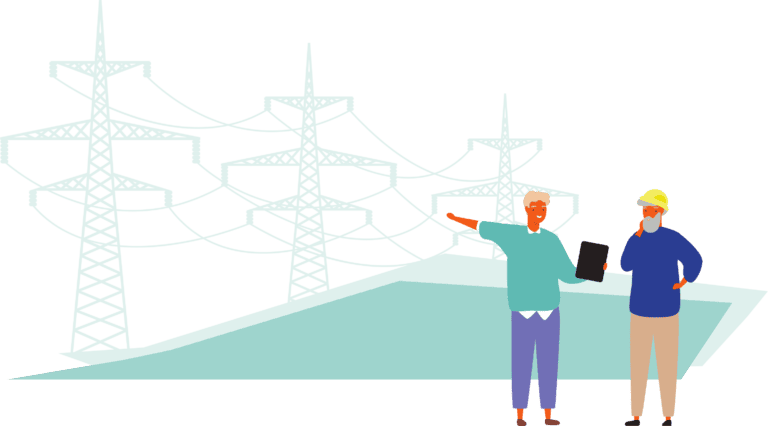
If you have a project that produces electricity, you need to be connected to the grid to sell your energy, and you will need someone to buy your energy from you.
- One model is a subsidy or so-called “feed-in-tariff” to compensate you for your energy. However this model is being phased out in many places.
- One solution is to sell your energy to a green supplier, that could be a cooperative as well. The cooperative Enercoop in France for instance, buys electricity from small-scale projects that produce renewable energy.
- Sometimes a cooperative combines its own renewable production with a supplying license, meaning they can sell their electricity to their members directly, like Ecopower in Flanders or Co-op energy in the UK.
To connect to the grid, you need to find out who owns it, and who is your Distribution System Operator (DSO). They have a lot of power to connect you or not, so establish a good working relationship with the staff there if you can! In some countries, grid connection can be a long and frustrating process, so it makes sense to find out what the situation is in your area before you seek planning permission. This is also why it makes sense for citizens to take the energy grid into local ownership, so that it is run for the common good rather than for profit. Check out chapter 13 and the inspiring success story of Schönau in Germany to learn more about this.
Power purchase agreements
A Power Purchase Agreement or a PPA is a long-term electricity purchase agreement where typically, a large electric user or a number of smaller electricity users, purchases a certain amount of electricity from the electricity producer under a long-term contract, for example for 10 to 20 years.
Be prepared to negotiate, as the company you are dealing with will probably want to drive a hard bargain. Bear in mind that you might want to open negotiations with a few companies, and shop around for the best deal you can get.
Another option to be considered is to sell directly to a high energy consumption public facilities such as a heated swimming pool or a sewage treatment plant. See if your local authority will consider signing a direct Power Purchase Agreements (PPAs) with your energy community. These types of contracts are great if you can get them. They would provide your project with the opportunity to benefit from a stable revenue stream based on a fixed electricity price over a long-term period.