Community energy: A practical guide to reclaiming power
Choosing Your Technology
Biomass

Biomass can be a renewable fuel when it comes from sources such as forest residues, tree surgery waste, food waste, agricultural waste and other wood residues (such as sawdust).
In theory you are emitting CO2 by burning wood, but the idea is this carbon will eventually be absorbed by new growth that replaces what you have burned.
However, it is not always a given that this new growth will take place. And we know we are in a crucial decade for the climate, and we need to take carbon out of the atmosphere! This is why biomass is not suitable for large-scale deployment, but for some communities, it can be part of the solution, in particular when local resources are sustainably managed.
Biomass is a versatile material that can be used to produce:
- Heat, for space or hot water,
- Electricity
- A combination of heat and power (electricity) in a Combined Heat and Power (CHP) plant.
Types of biomass
1) Wood
Wood can be used in the form of logs, wood chips and wood pellets, for wood stoves or wood-chip boilers used for space and water heating. Wood chips are generally only used in larger boilers, such as those used in schools, community buildings and offices.
On a larger scale, wood can be used for the production of electricity. The main method for this is combustion plants (where wood is burned to produce steam). However community projects should never be involved in the burning of whole trees, or other activities that participate in deforestation.
2) Agricultural waste
Other methods using biomass taken up by farmers are by-products of conventional agricultural activity. They include:
- “Dry” agricultural wastes, such as straw that can be burned to produce energy.
- “Wet” wastes such as green matter or slurry can be “digested” to produce methane in a process known as anaerobic digestion. This can be used to fuel a gas engine to produce electricity and heat.
There are already examples of chicken litter combustion, animal slurry digestion and straw combined heat and power projects working well in this country. In many cases, however, these projects are only economically viable if an outlet can be found for the heat produced such as nearby factories and the by-products fertilisers for farms.
Keep in mind that large-scale animal farming also comes with many ecological issues — if you are increasing their profits with bioenergy, you may be supporting and perpetuating an exploitative and unsustainable system.
3) Municipal and industrial waste
Municipal waste products need to be minimised or recycled wherever possible. However, there will always be some requirements for disposal. Some forms of municipal and industrial waste can be described as biomass — such as waste food and wood waste (from the construction industry, for example).
Many local authorities now operate a waste food collection service. The waste food is recycled and used to produce compost, or used for the production of electricity in an anaerobic digestion plant (a biogas plant).
Whether the burning of other types of municipal waste to produce energy can be described as renewable is a matter of some debate. There can be environmental benefits if waste is used to generate electricity and/or heat, such as reducing demand for landfill space. However, emissions and residues can cause environmental problems.
What is important to avoid creating a demand for waste. If there is unsustainable food waste in a community, setting up a power plant to use that waste makes tackling the original problem unlikely. Often, biogas plants are a better way of treating organic waste when they can produce energy as well as organic fertiliser.
-
Energy independent village Kněžice
 More info
Czech republic
By relying on locally sourced biomass, the village of Kněžice in the Czech Republic no longer has to pay for imported coal, and can instead channel these funds into local businesses. After several years of operation, evidence shows the project has boosted the local economy and reduced CO2 emissions.
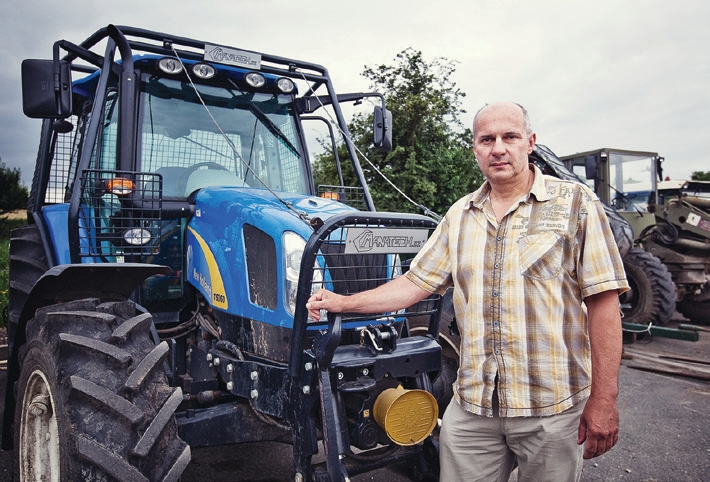
“The biomass facility fits well our local peasant mindset,” said Milan Kazda. “Farmers grow the organic material, the municipality buys it from them, the heat produced is then sold to the residents, and overall a financial flow remains in the village. There was nothing revolutionary about this — it’s totally standard local self-sufficiency, which historically has always been here. We simply wanted to go back to our roots.”
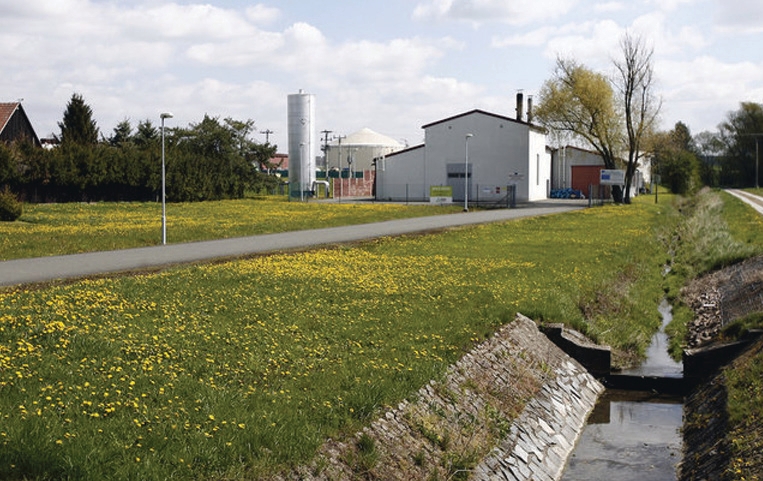
The current facility is in two parts, the biomass plant that produces heat for the village and the biogas plant that produces heat and electricity that feeds into the grid.
The biomass plant, located in the north-end of the village, burns organic material from various sources, mainly wood chips and straw bought from local farmers. The heat generated flows through six kilometres of well insulated pipelines to 150 homes in the village, providing heating and hot water.
The biogas facility uses bio-waste, including animal manure from agricultural cooperatives in the village, waste from forestry or gardening, sewage from septic tanks, and even leftovers from restaurants in the area! Materials that would have once been thrown away are now a prized energy source. This plant produces heat and electricity. Overall, the biogas station produces 2,600 MWh of electricity annually. Byproducts of the process are also used for land fertilisation.
Milan Kazda the Mayor of Kněžice. Operational practice is that as long as the biogas, that uses only waste products manages to cover heat consumption, then the biomass plant is switched off. During the winter (and other cold days) both biomass and biogas plants are operating.
The project is one of the first of its kind in the Czech Republic and had to overcome many hurdles. Instead of selling electricity directly to their inhabitants, the municipality must sell it to the grid and villagers must buy it back at five times the price paid. This deters other villages from developing similar such energy systems, and has also stopped Kněžice from developing the project further, but the village has plans to install solar PV on municipal buildings when legislation makes it possible.
At first, not everyone in the village was convinced about the new endeavour. A survey showed only 80 households were interested in the new project, and only because of the low price of heating were they interested. Mayor Milan Kazda knew the project could only work when Kněžice’s community stood behind it. So he instructed the oldest, most respected members of the village to discuss the biomass central heating project with families in the community. This helped get the 120 households on board required for the new energy project to be financially feasible.
Many villagers were still afraid the new system wouldn’t work and the mayor had to reassure them they could continue to use the previous heating system if they still wanted to. However, once the central biomass heating was in place, more and more people joined. Shortly after the project was completed, 27 more households signed up. Today, the plant serves about 90% of Kněžice’s population.
This demonstrates how people often need to see something works before they can have complete confidence. Be prepared to be patient, especially in the first phase of your project.