Community energy: A practical guide to reclaiming power
Choosing Your Technology
Small and micro hydropower

Generating energy from water is one of the oldest ways to produce energy, which is why mills for grinding flour, sawing wood or pressing oil were always located on rivers. Hydro projects use the same principle of harnessing the energy of flowing water to produce electricity.
Water flowing downhill over a natural waterfall or weir is diverted into a pipe or canal, and rotates a waterwheel or a water turbine. The gearbox channels it to the generator which produces electricity.
Large-scale hydro renewables projects can be damaging to communities and the natural environment, but this is not the case with small-scale community projects who take the right precautions. Many community hydro projects even combine historical renovation projects with energy production. Famous Ecopower grew from the renovation of an old watermill near Rotselaar in Belgium.
Hydro projects do need extra permits to prevent damaging the river and its wildlife, and comprehensive, rigorous feasibility studies are very important. However, once safely installed, hydro can provide a stable supply of energy and income.
There are two main types of hydro projects: high head and low head schemes. The head is the difference in height between the water level upstream and the water level downstream the hydropower plant.
- For high head schemes, you need a fall with a large height difference (more than 10 metres). A typical high head scheme would involve a mountain stream flowing across several farm fields or a forest.
- Low head schemes generally use large quantities of water flowing over a relatively small height (less than 10 metres, such as at old mills or weirs).
A viable scheme will generally either include a lot of flow over a small height, or a little flow over a large height. While the power of these two systems can be the same, the technological, ecological and construction issues will be quite different. The geography of the local area will dictate which type a community group chooses to develop, but in general, high head systems are cheaper per kW installed as they require less civil engineering.
-
Checklist | What you need to start a small hydropower project
More info
Low head (flatter areas)
- An existing weir or dam
- Falling height of 2 meters or more
- Sufficient flow and year-round distributed precipitation
- Adequate space for inlet canal and bypass
- Adequate space for a fish bypass
- A positive environmental impact assessment: the installation does not harm the fauna and flora of the area.
- Access to the electricity grid at a reasonable distance.

High head (mountainous or hilly areas)
- Sufficient rainfall for at least 8 months
- At least 10 meters of falling height
- Watercourse with a drainage area of at least 0.5 km2
- Access to the watercourse and a solid foundation for water intake
- Sufficient space for the water intake and the bypass
- Space for the turbine/generator near the watercourse for the outflow of water
- Usually, there are no issues with fish since they either do not exist in the upper reaches or can migrate in the watercourse.
- Access to the electricity grid at a reasonable distance

-
Community Hydro Coop: Neen sollars
More info
UK
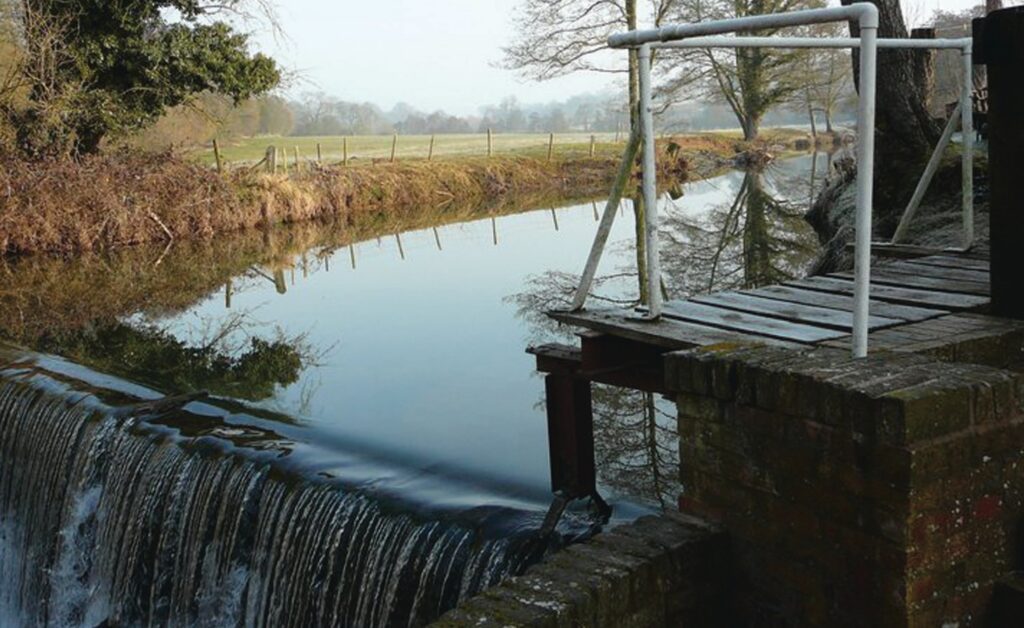
In the UK, Neen Sollars Community Hydro Coop owns a 12.5 kW hydroelectric installation at Tetstill Mill, on the River Rea. The turbine provides green electricity to the local electrical grid, representing around 20% of the domestic power use in the village of Neen Sollars and locally meeting the national target of 20% renewables.
This project is a model for the region, as the first renewable energy installation in the West Midlands to be community-owned.
The Neen Sollars Community Hydro Coop supplies energy to the local grid. © Share Energy The key benefits are:
- The generation of green electricity.
- Production peaks during cold, wet weather, aligning closely with demand.
- Generates returns for citizens who have invested.
- Generates income for landowners.
- High-head small hydropower generally has a very small environmental impact and can stimulate the ecological restoration of wetland and stream corridors.
- Can create a small subsidy fund for other climate projects.
- Projects are expected to last a minimum of 50 years.
- Construction work can be carried out by local contractors.
- Awareness-raising and education in the local area.
The project has been entirely conceived and executed by local people, and is integrated in wider efforts to improve the ecological status and sustainability of the Rea catchment.