Community energy: A practical guide to reclaiming power
The Different Forms of Community Energy Projects
Community Energy: the idea
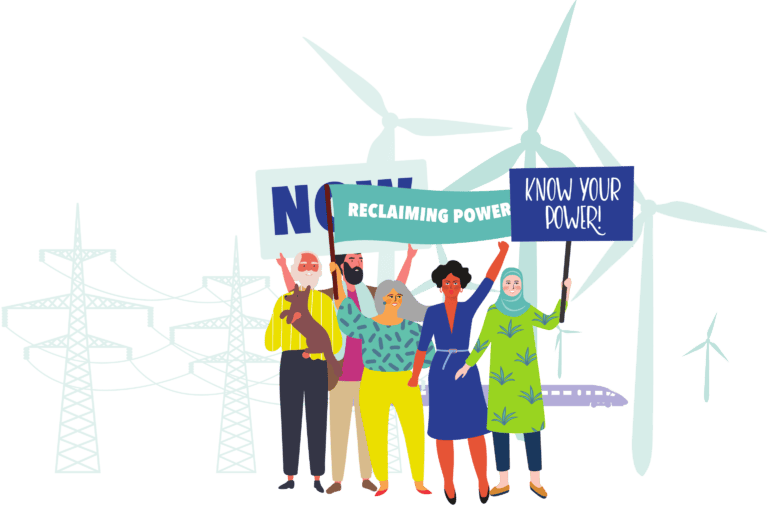
“Community energy” or “community power” refers to people in a community cooperating on energy issues. Community energy is a broad concept, it can refer to collective switching campaigns, collective investments in solar panels, but also the ownership of an energy supply company, or even a distribution network. Some people work together informally, while others set up legal entities. Depending on the activity, community energy can take different forms.
The different legal forms used to create local energy communities include (but are not limited to) cooperatives, partnerships, companies with a community interest, foundations, non-profit organisations, trusts and associations. The legal form you choose depends on your needs, and the rules around cooperatives and organisations in your country. There are also other options that combine the ideas below, linking activities related to the energy community to an existing organisation. In the end, what matters most is your aim and the activities you carry out to support energy democracy, not the structure you choose.
-
Not just electricity: heating and cooling, transport and electricity, a power combination!
More info
When thinking about community energy, people tend to picture a happy group of people standing in front of a wind or solar farm. However citizen energy ownership is not limited to electricity, and energy democracy is also making an entrance in the heat and transport sectors. In order to make the entire energy system more sustainable, local and efficient, action is needed on heating and cooling and transport as much as electricity.
It’s best to think and plan across all three of these sectors. Actions and practical examples for mobility and heating, offering clear and inspiring ideas, are included in this handbook. You shouldn’t try to do everything at once in the beginning, but you can take on new activities as you grow.
There are many solutions for renewable heating based on your area’s resources. This can include partnerships with rural areas to provide bioenergy (forestry and wood residues, livestock manure, agricultural biomass, etc.), or surplus heat from local industries, that can be channelled back into a district heating network, or working with your own municipal with waste or sewage infrastructure, a nearby river, etc.
And the good news is that all of these decentralised options can be citizen-owned as well. In the city of Eeklo in Belgium for example, the local authority issued a tender for the construction of a large district heating network, requiring a 100% renewable energy target and a minimum of 30% citizen ownership. The winning consortium guaranteed this through a partnership with Ecopower, a Belgian energy cooperative. You can read more about the Eeklo project in the chapter on wind.
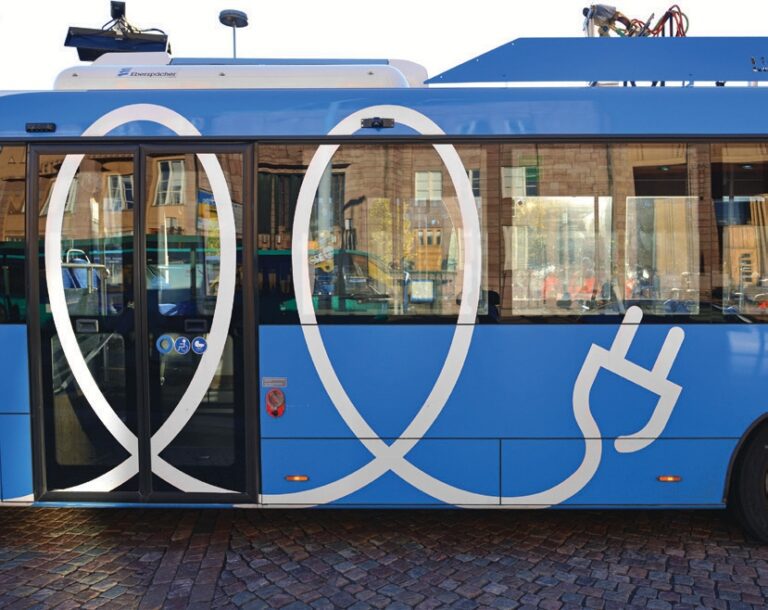
Many mobility solutions also exist, such as car-sharing schemes and community projects that run charging centres for e-vehicles. For example Som Mobilitat is an e-car sharing cooperative founded in 2016 operating a fleet of 106 electric cars. Find out more about Som Mobilitat and the Mobility factory in the chapter on mobility and transport
-
Defining community energy
More info
There are many different ways to define community energy. For the purposes of this book community energy is any project or initiative where people have ownership or a meaningful say in the running of renewable energy or energy related services. We also consider energy efficiency projects where the community is involved in collectively reducing their energy use as important community energy.
In the Clean Energy Package there are two different legal definitions of community energy projects. Firstly, Renewable Energy Communities or RECs which are defined in the Renewables Directive and secondly Citizen Energy Communities or CECs which are defined in the Internal Energy Market Directive. These definitions are broadly similar but it came about that there are two definitions because two different departments were working on similar legislation at the same time. Both these definitions have the most important things in common, they both require energy communities to have a mission that is related to the environmental, social or local economic values rather than profit. They both require that control over the project is in the hands of “real persons” such as citizens, cooperatives or local authorities. There are some differences in the membership that is allowed and in theory only RECs are required to be purely about renewable energy. The main thing is not to allow different definitions confuse or distract you, they are useful legal definitions that recognize the value of community involvement in the energy transition.