Community energy: A practical guide to reclaiming power
Choosing Your Activity
Distribution
Another way for citizens to take ownership of the energy transition is by operating the local distribution grid. The distribution grid is the system of software and hardware that bring electricity to all our homes. If you think of the high-tension or transmission grid as the motorways of the energy world, there are also the by-roads and local lanes. This is a vital bit of energy infrastructure and taking control of it will be key to creating the energy system we want.
In the first half of the 20th century, local distribution systems were mostly owned by local municipalities. That changed after a wave of privatisation starting in the 1960s, but new campaigns are being launched to put this crucial infrastructure back in the hands of people: the remunicipalisation movement.
Here’s how it works now:
- The municipality gives concessions to operators for installing cables and distributing electricity, gas and heat,
- These concessions have time limits (15 years on average), and have to be renewed by the operating entity, or taken over by another entity once the concession expires. Could your project be that entity?
-
EWS Schönau takes back the grid
 More info
Germany
Remote communities were historically challenged with energy supply, as energy providers often considered their areas unprofitable investments. In many cases, this led communities to take things into their own hands, as they took charge of the local distribution grid.
A well-known example for this is the case of ElektrizitätsWerke Schönau (EWS) in Germany. In 1991, the citizens of the small city of Schönau in the Black Forest decided to buy the local distribution grid to make it sustainable, as the local supplier at the time did not want to provide renewable energy.
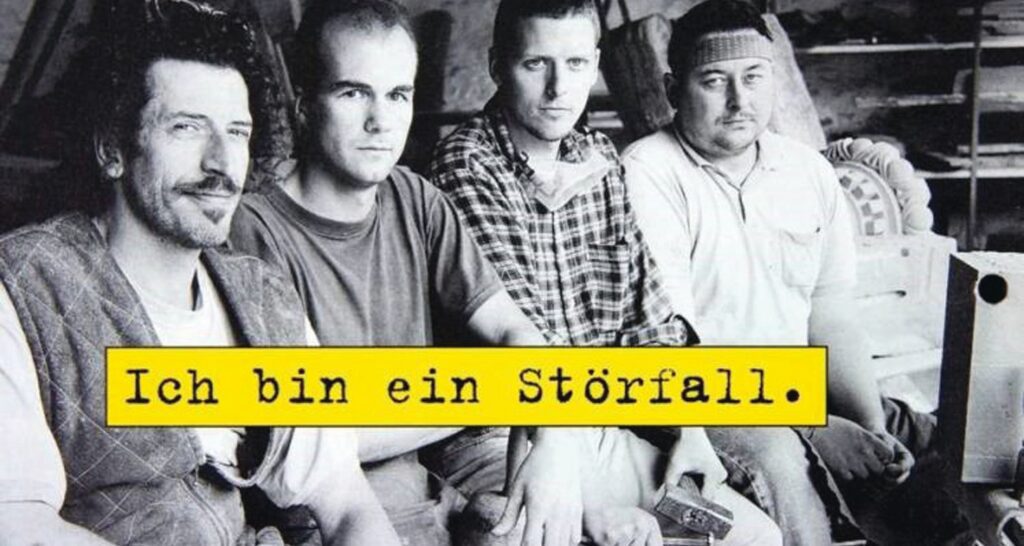
ElektrizitätsWerke Schönau (EWS) campaign: “Ich bin ein Störfall” which means in German “I am a technical incident”, referring to the disaster in Chernobyl. Thanks to this campaign, EWS was able to buy the local grid. © EWS Schönau To take over the distribution grid, the cooperative competed for the concession. The city council rejected the cooperative’s proposal, so citizens asked for a referendum to challenge the city council’s decision, and they won.
Unhappy with the situation, the electricity company in Schönau asked for a referendum to reverse the decision, and tried to convince the local population that the cooperative couldn’t manage the distribution network. Against all odds, the company lost this referendum, confirming the take-over of the local distribution network by the citizens of Schönau.
A final step for the citizens was to negotiate the price of the concession in court. At that time, the energy market was not yet liberalised, and there were no financial support systems. Yet EWS inspired citizens to install renewable energy production units by enabling their connection to the grid, and paid them special feed-in tariffs. After years of struggling in and out of court, today, EWS Schönau supplies clean power to over 200,000 consumers in Germany, feeding energy produced by people into the grid. EWS sources the power directly from renewables and cogeneration producers, on a real-time basis, to be sure that no nuclear power is involved.
EWS showed that by taking back the grid and selling energy, you could adapt a business model to the needs of your members. It also demonstrated the resilience of renewable energy cooperatives and their ability to make use of the power of volunteers, who share their expertise for free. EWS has since supported other communities in Germany, such as Energienetz Hamburg, to achieve similar projects.

Concession renewals
Find out who owns the current concession for your local distribution system and when it comes up for renewal. This could be an opportunity for your group.